


















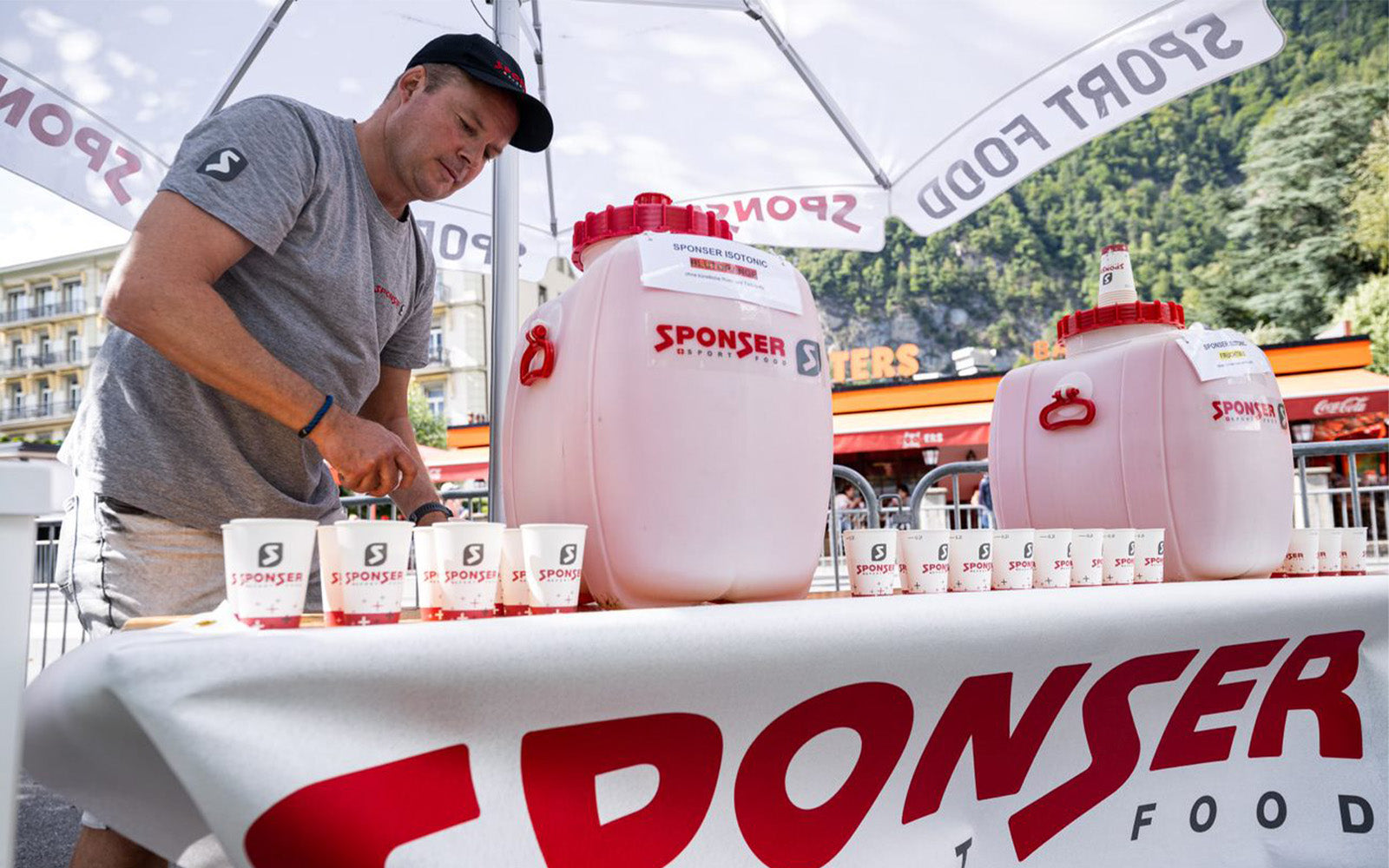
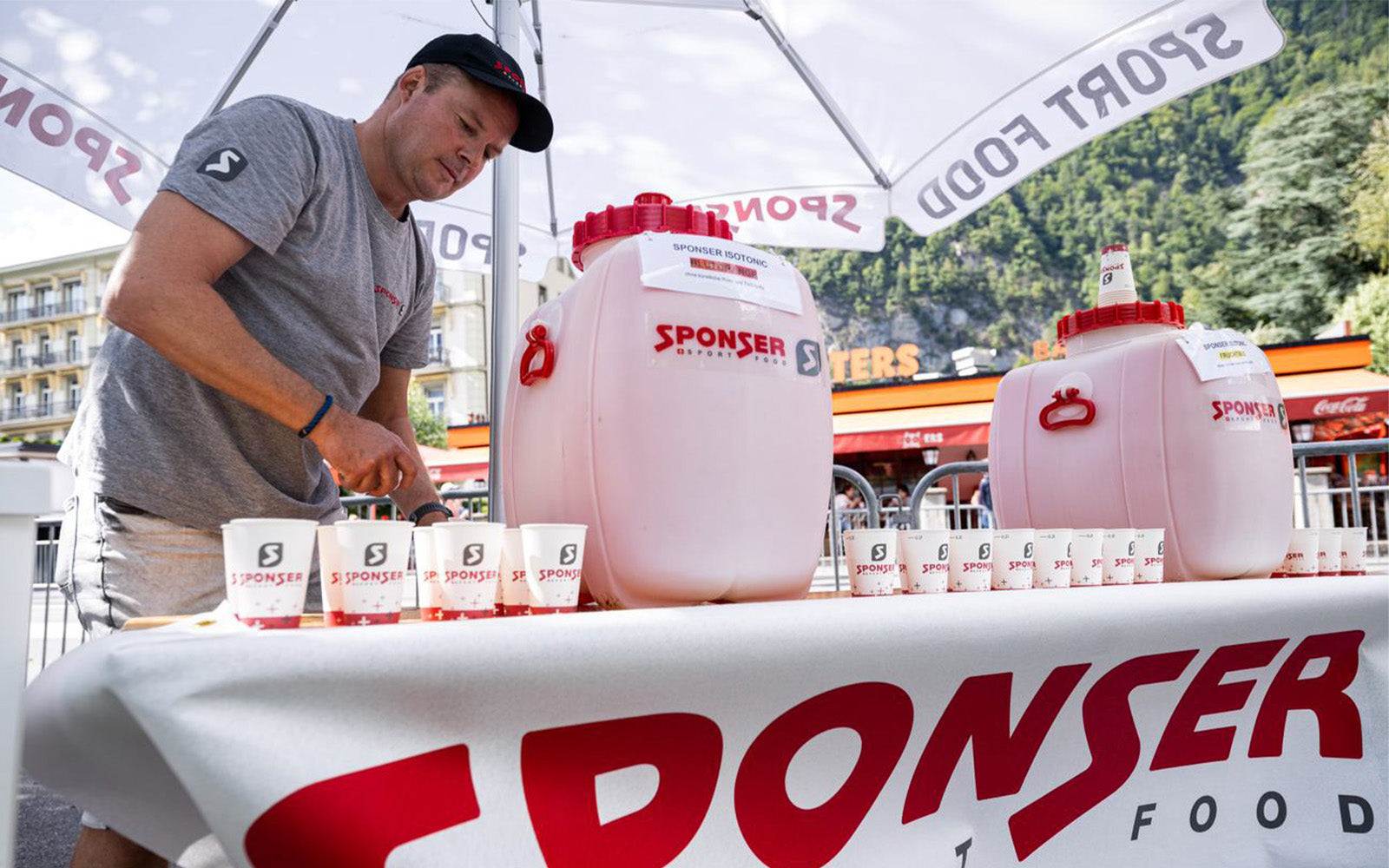


Photo credit: @staron_photo / Alessandra Keller
Electrolytes in sports nutrition: function, importance and tips
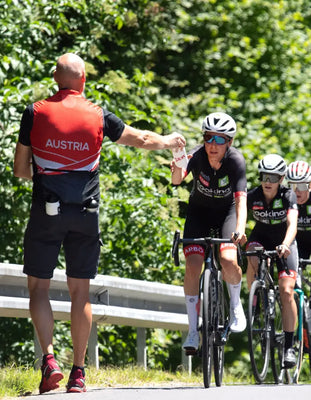
By electrolytes we understand in sports nutrition the minerals sodium, potassium, calcium and magnesium. These are the main minerals lost through sweating. The higher the air temperature and the intensity of the physical activity, the more we sweat. Therefore, we have a bigger need for fluid and electrolytes in these situations.
The role of electrolytes in sports
Electrolytes are particularly vital for fluid balance and transport in the body. They thus also influence the transport of nutrients and their metabolites in and out of our cells. In addition, electrolytes stabilize the pH value, influence heart and muscle function and promote heat tolerance and cognitive performance.
Sodium: An important mineral for athletes
Salt is colloquially often used as a synonym for sodium. However, Sodium is actually not the same as salt - but an ingredient of it. Common table salt, for example, consists of about 40% sodium and 60% chloride. Due to its high need for our body and the amount excreted in sweat (see figure), sodium is THE central electrolyte during sports activities. Sodium is also indispensable for the transport of fluids and energy from the intestine into the blood and to maintain fluid balance inside and outside of the cells. Sodium loss depends on many factors. It varies from person to person and ranges from 400 to 1600 mg of sodium per litre of sweat.
Electrolyte deficiency
Particularly with intensive, prolonged physical activity, high air temperature and humidity (heat), electrolytes, especially sodium, must be adequately replaced during exercise to prevent a drop in performance. Typical signs of fluid and electrolyte deficiency are, for example, increased heart rate, impaired heat regulation, reduced cognitive function or increased risk of cramps.
Tips
• Activities in hot weather or of more than 2-3 hours duration require a targeted sodium or electrolyte supply.
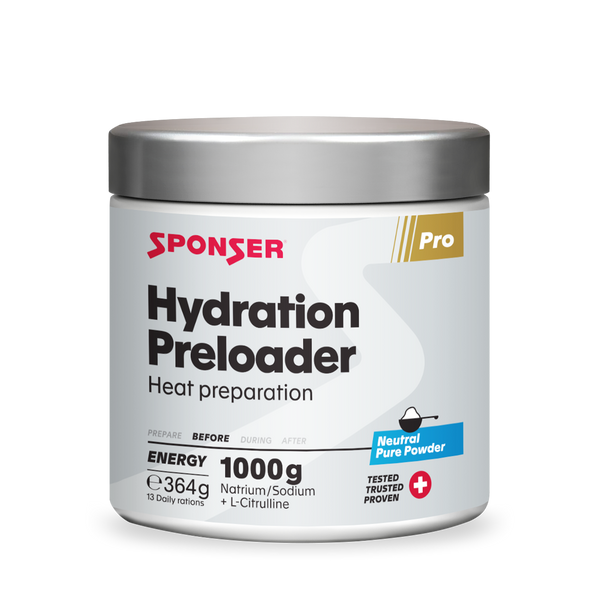
• In the case of high-intensity activities (competition) and heat, a targeted electrolyte loading using Hydration Preloader may be considered in the days prior to the competition.
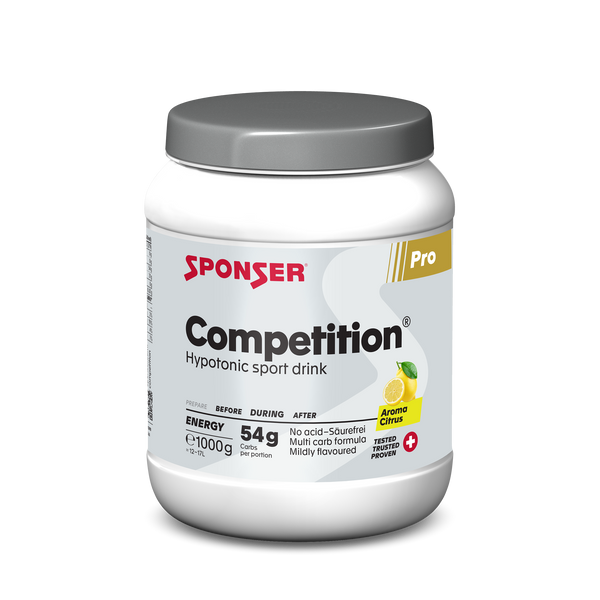
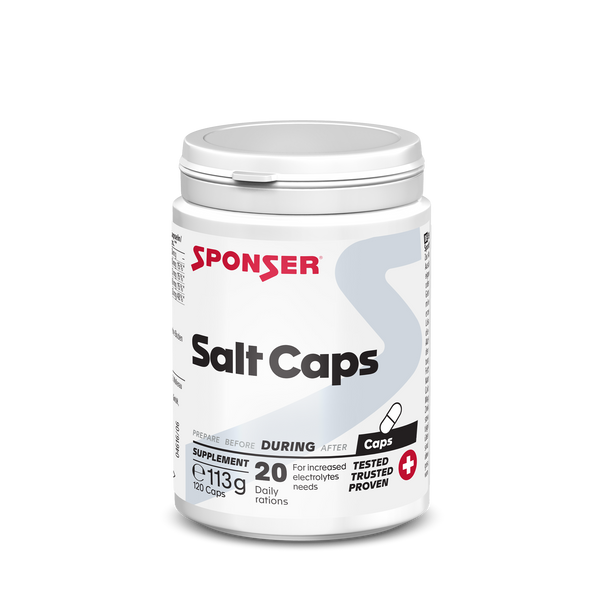
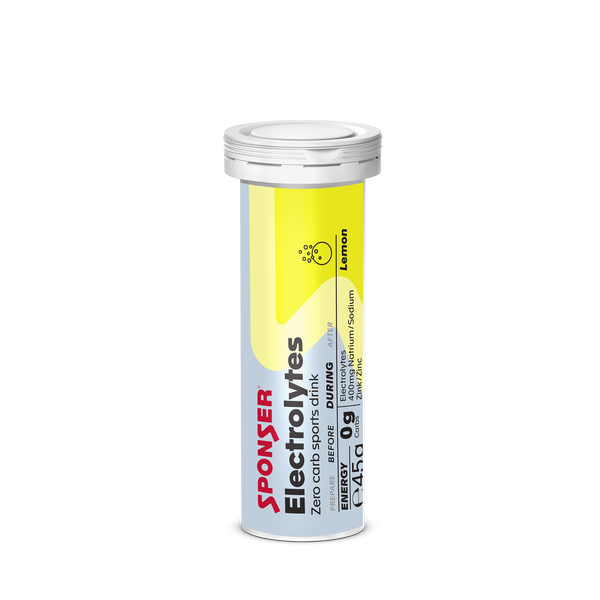
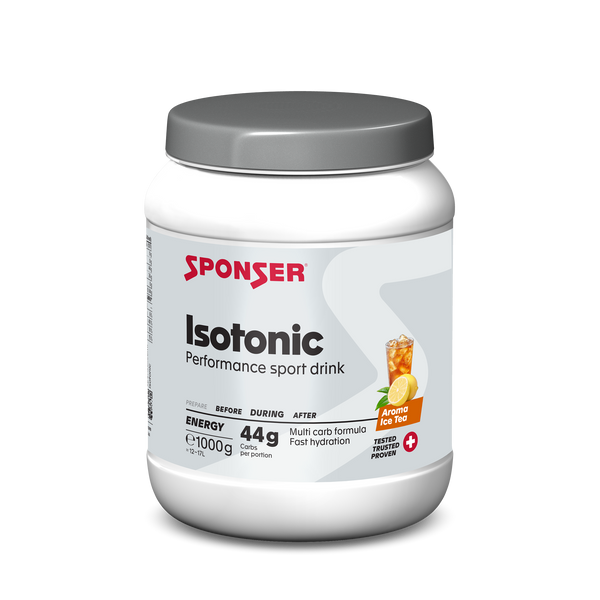
• Sports drinks such as Competition® or Isotonic provide you with energy and electrolytes. If you prefer electrolyte products that do not contain additional energy, the neutral Electrolytes Pure drink powder or the fruity and refreshing Electrolytes effervescent tablets are both ideal as sports drinks, whilst the easy-to-use Salt Caps can be taken as a concentrated electrolyte supplement.
• A sweat analysis with our Sweat Test can be an interesting and potentially performance-enhancing tool for competitive athletes.